Pre-eclampsia - Symptoms, Causes and Management During Pregnancy
Pre-eclampsia - Symptoms, Causes and Management During Pregnancy
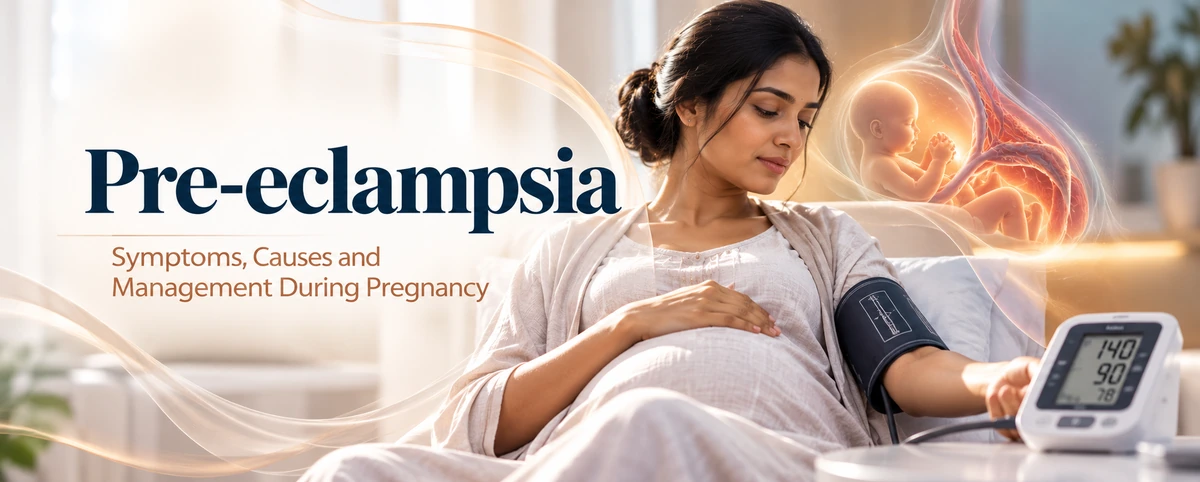
Pre-eclampsia is a pregnancy complication associated with high blood pressure that usually develops after 20 weeks of pregnancy. Symptoms may include a severe headache, blurred vision, pain below the ribs and sudden swelling of the face or hands. Some women have no obvious symptoms, making regular antenatal check-ups essential. Suspected pre-eclampsia needs prompt medical assessment.
What Is Pre-eclampsia?
Pre-eclampsia is a condition that can develop during pregnancy, usually after the 20th week. It involves high blood pressure and may affect organs such as the kidneys and liver. In some cases, it can also affect the placenta and the baby's growth.
Early detection is important because the condition can become serious if it is not monitored and managed appropriately.
Pre-eclampsia Symptoms to Watch For
Recognising the warning signs can help pregnant women seek medical care without delay. Symptoms may include:
-
A severe or persistent headache.
-
Blurred vision, flashing lights or seeing spots.
-
Pain in the upper abdomen, particularly below the ribs on the right side.
-
Sudden swelling of the face or hands.
-
Nausea or vomiting that develops later in pregnancy.
-
Difficulty breathing in severe cases.
Swelling can occur during a normal pregnancy, too. However, sudden swelling accompanied by other symptoms should not be ignored. Pre-eclampsia can also occur without noticeable symptoms, which is why routine blood pressure checks are important.
Seek urgent medical assessment if you experience a severe headache, visual disturbances, upper abdominal pain or difficulty breathing during pregnancy or after delivery. Do not wait for your next scheduled appointment.
Who Is at Higher Risk of Pre-eclampsia?
Pre-eclampsia can affect any pregnant woman, but certain factors may increase the risk:
-
A first pregnancy.
-
High blood pressure before pregnancy.
-
Previous pre-eclampsia.
-
Kidney disease or diabetes.
-
Carrying twins or more.
-
A family history of pre-eclampsia.
-
Certain autoimmune conditions.
Having one or more risk factors does not mean that pre-eclampsia will definitely develop. Your obstetrician can assess your individual risk and recommend appropriate monitoring.
How Is Pre-eclampsia Diagnosed?
Diagnosis usually involves checking blood pressure and assessing whether there are signs of organ involvement. Depending on the situation, your doctor may recommend:
-
Blood pressure measurement to identify high blood pressure.
-
Urine tests to check for protein.
-
Blood tests to assess kidney and liver function and platelet levels.
-
Ultrasound scans to monitor the baby's growth and amniotic fluid.
-
Additional fetal monitoring when needed.
Even if you feel well, attending antenatal appointments helps your healthcare team identify changes that may require further assessment.
How Is Pre-eclampsia Managed?
Treatment depends on the severity of the condition, the mother's health and how many weeks pregnant she is.
For some women, management may involve more frequent antenatal visits, blood tests, fetal monitoring and medication to control blood pressure. More severe cases may require hospital admission and close observation.
Delivery is the only definitive way to end pre-eclampsia, although the condition can persist or first appear after birth. Your obstetrician will decide the safest timing of delivery by considering the risks to both mother and baby.
Women at increased risk may be advised to take low-dose aspirin during pregnancy. This should only be started on the advice of a qualified healthcare professional.
Why Regular Antenatal Check-Ups Matter
Pre-eclampsia does not always cause symptoms in its early stages. Regular antenatal visits allow your doctor to monitor blood pressure, assess urine and blood test results when indicated, and check your baby's development.
If you have high blood pressure or a history of pre-eclampsia, tell your obstetrician early in pregnancy. An appropriate monitoring plan can help identify concerns and guide timely care.