High Risk Pregnancy: What It Means & Why Specialist Care Matters
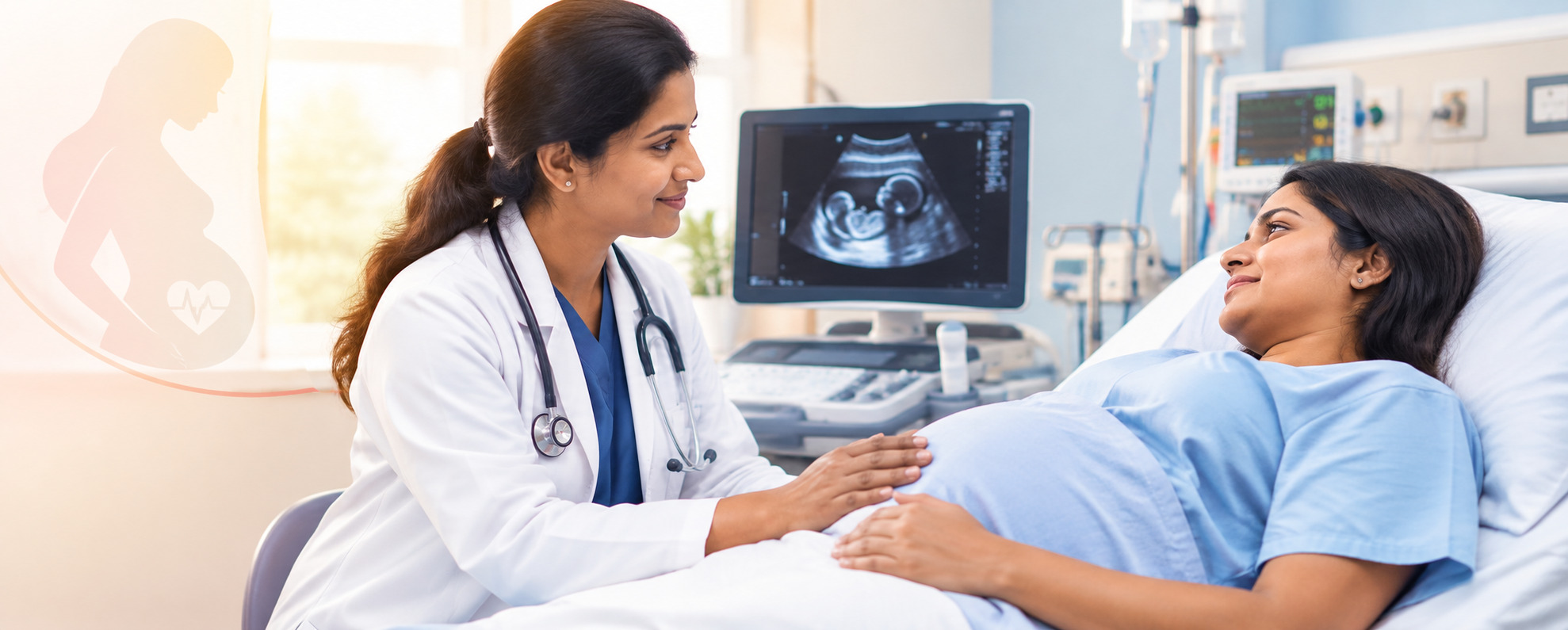
High Risk Pregnancy: What It Means & Why Specialist Care Matters
Introduction
A high-risk pregnancy is one where certain factors may increase the chance of complications for the mother, baby, or both. Being classified as high risk does not mean that complications will definitely occur. It simply means that the pregnancy may require closer monitoring and specialist care.
Factors such as maternal age, existing health conditions, previous pregnancy complications, or carrying twins can contribute to a high-risk pregnancy. Regular medical care helps doctors monitor the pregnancy and address concerns early.
What Makes a Pregnancy High Risk?
Several factors can make a pregnancy high risk. These may include:
- Being under 18 or over 35 years of age
- Diabetes or high blood pressure
- Thyroid or other medical conditions
- Previous pregnancy complications
- History of miscarriage or premature birth
- Multiple pregnancy, such as twins or triplets
- Gestational diabetes or high blood pressure developing during pregnancy
- Certain complications affecting the mother or baby
Every pregnancy is different, so the level of monitoring depends on the individual circumstances.
Why Is Specialist Care Important?
Specialist care helps identify and manage potential problems during pregnancy. A doctor may recommend additional check-ups, blood tests, scans, or other assessments depending on the mother's health and pregnancy needs.
Regular monitoring can help doctors:
- Track the baby's growth and development
- Monitor the mother's health
- Identify potential complications early
- Manage existing medical conditions
- Plan appropriate treatment and delivery care
The care plan may change as the pregnancy progresses, depending on how the mother and baby are doing.
What Does High-Risk Pregnancy Monitoring Involve?
High-risk pregnancy care may involve more frequent appointments than routine pregnancy care. The exact schedule depends on the risk factors involved.
Monitoring may include:
- Regular blood pressure and blood sugar checks
- Ultrasound scans to monitor fetal growth
- Blood and urine tests
- Monitoring the baby's heart rate when required
- Assessment of the mother's overall health
- Medication or treatment for existing conditions
Your doctor will recommend the appropriate tests based on your individual needs.
Can a Normal Pregnancy Become High Risk?
Yes. A pregnancy that initially appears normal can become high risk if a new condition develops.
For example, some women may develop gestational diabetes, high blood pressure, or other pregnancy-related complications later in pregnancy. This is why regular antenatal check-ups are important throughout pregnancy.
Early detection allows the healthcare team to provide appropriate treatment and monitoring.
Planning for Delivery
For some high-risk pregnancies, delivery may require additional planning. The doctor may consider the mother's health, the baby's condition, gestational age, and any pregnancy complications when planning the timing and method of delivery.
Having a clear delivery plan allows the healthcare team to prepare for possible complications and provide appropriate care when needed.
Conclusion
A high-risk pregnancy does not mean that a healthy pregnancy or delivery is impossible. It means that certain factors require closer attention and appropriate medical supervision.
Regular antenatal visits, recommended tests, healthy lifestyle habits, and specialist care can help monitor the health of both mother and baby. If you have been told that your pregnancy is high risk or have concerns about your pregnancy, speak with your obstetrician to understand the care and monitoring you may need.