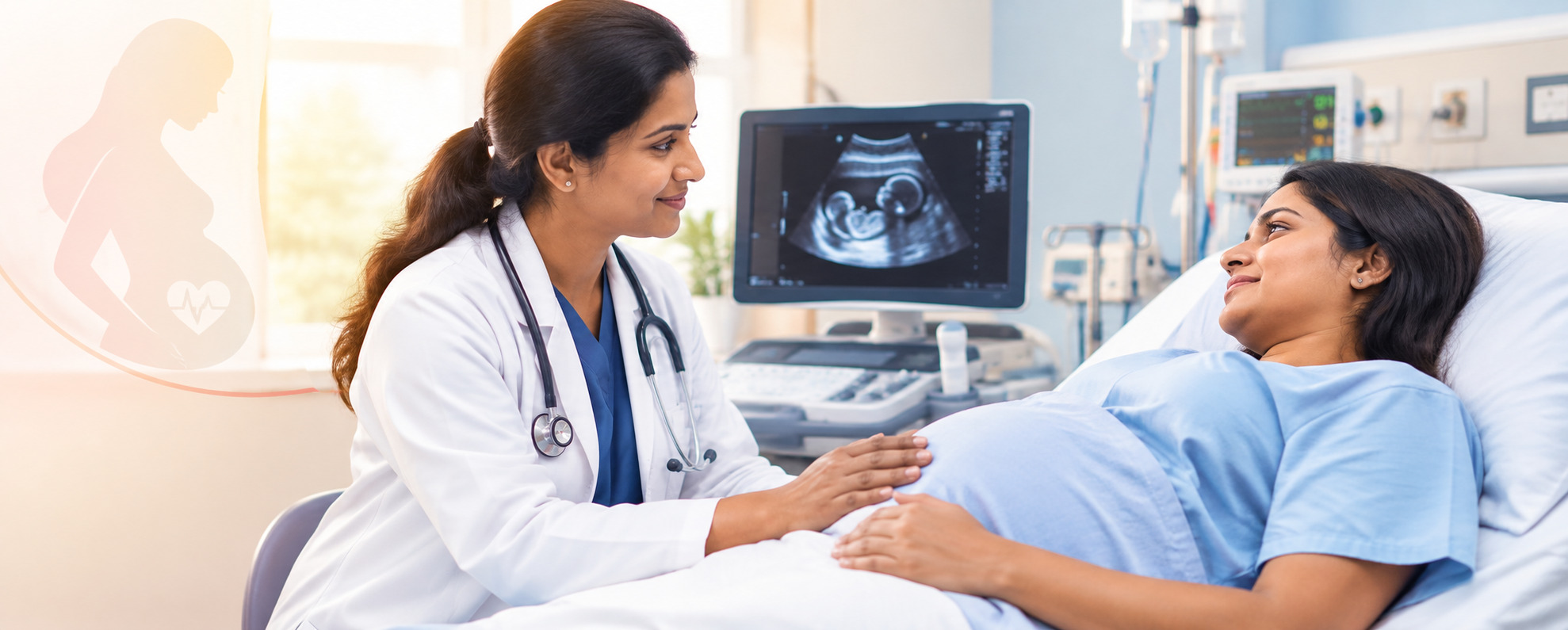
Pregnancy After 35: What Women Should Know

Pregnancy After 35: What Women Should Know
Introduction
Having your first pregnancy after 35 is becoming increasingly common. Many women have healthy pregnancies and babies after this age. However, fertility gradually changes with age, and some pregnancy-related risks may become more common.
Pregnancy after 35 does not automatically mean that complications will occur. It simply means that appropriate fertility assessment and antenatal care can be important for monitoring the health of both mother and baby.
Body
How Does Age Affect Fertility?
Female fertility gradually declines with age because the number and quality of eggs decrease over time. Some women may conceive naturally after 35, while others may take longer to become pregnant.
If you are planning pregnancy, a fertility specialist may assess factors such as:
- Age and menstrual history
- Ovulation
- Ovarian reserve
- Previous fertility history
- Sperm health
- Other reproductive or medical conditions
What Pregnancy Risks Can Increase After 35?
Certain pregnancy-related conditions become more common with increasing maternal age. These may include:
- Gestational diabetes
- High blood pressure during pregnancy
- Certain chromosomal conditions
- Pregnancy complications requiring closer monitoring
Having one of these risk factors does not mean that a complication will definitely occur. Your doctor can recommend appropriate screening based on your individual health and pregnancy.
What Monitoring May Be Needed?
Regular antenatal care is important throughout pregnancy. Depending on your health and pregnancy, your doctor may recommend:
- Regular blood pressure monitoring
- Blood and urine tests
- Gestational diabetes screening
- Ultrasound scans
- Recommended prenatal screening
- Additional monitoring when required
The type and frequency of monitoring will depend on your individual circumstances.
Can You Have a Normal Delivery After 35?
Yes. Being over 35 does not automatically mean that you will need a Caesarean section. The method of delivery depends on factors such as the mother's health, baby's position and condition, pregnancy progress, and any complications that develop.
Your obstetrician will discuss the safest delivery approach based on your individual situation.
Is IVF Necessary After 35?
No. IVF is not automatically required for women over 35. Many women conceive naturally.
If pregnancy does not occur after trying for some time, a fertility evaluation can help identify possible reasons. Depending on the findings, treatment may include fertility medicines, IUI, IVF, or other approaches.
How Can You Prepare for Pregnancy After 35?
Good pre-pregnancy care can help you prepare for a healthy pregnancy. Consider:
- Scheduling a preconception consultation
- Managing existing medical conditions
- Following a balanced diet
- Staying physically active as advised
- Taking recommended prenatal supplements
- Avoiding smoking and alcohol
- Attending regular antenatal appointments
Your doctor can provide advice based on your health and pregnancy plans.
Conclusion
Pregnancy after 35 is possible, and many women have healthy pregnancies with appropriate care. Although fertility gradually declines and certain pregnancy risks may increase with age, age alone does not determine pregnancy outcomes.
If you are planning your first pregnancy after 35, early consultation with a fertility or pregnancy specialist can help you understand your fertility, prepare for pregnancy, and receive appropriate monitoring throughout your pregnancy.