Pregnancy Nutrition: Healthy Eating for Mother and Baby
Pregnancy Nutrition: Healthy Eating for Mother and Baby
Introduction
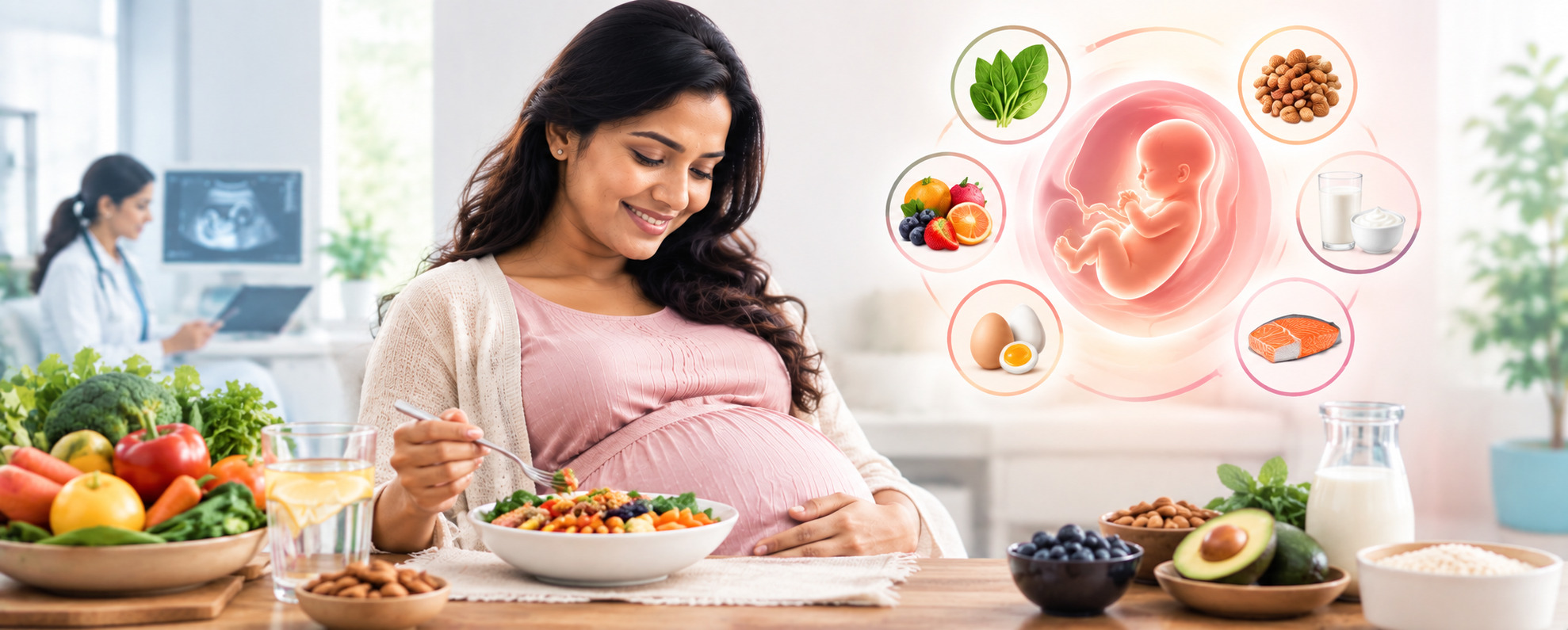
Eating a balanced diet during pregnancy is important for the health of both the mother and baby. Your nutritional needs change during pregnancy, and getting enough protein, iron, calcium, vitamins and fluids can support your baby's growth and your own health.
There is no single diet that works for every pregnant woman. Your food choices may need to be adjusted depending on your health, weight, medical conditions and stage of pregnancy.
Protein: Supporting Your Baby’s Growth
Protein is important for the growth and development of your baby's tissues and organs. It also supports the changes taking place in your body during pregnancy.
Good sources of protein include:
- Dal and other pulses
- Beans and legumes
- Eggs
- Milk, curd and other dairy products
- Nuts and seeds
- Fish, chicken or other lean meats, if included in your diet
Try to include a source of protein in your regular meals.
Iron: Helping Prevent Anaemia
Your body needs more iron during pregnancy because your blood volume increases and your baby needs iron for healthy development.
Iron-rich foods include:
- Green leafy vegetables
- Beans and lentils
- Ragi
- Nuts and seeds
- Eggs
- Meat and other animal sources
Your doctor may also recommend an iron supplement during pregnancy. Do not start or change supplements without medical advice.
Calcium: Supporting Bones and Teeth
Calcium is important for your baby's developing bones and teeth. It also helps maintain your own bone health.
Good sources include:
- Milk and curd
- Paneer and other dairy products
- Ragi
- Green leafy vegetables
- Sesame seeds
- Calcium-fortified foods
Including calcium-rich foods regularly can help you meet your nutritional needs during pregnancy.
Folic Acid and Other Important Nutrients
Folic acid is particularly important during early pregnancy because it helps support the development of the baby's brain and spinal cord.
Your doctor may recommend folic acid and other prenatal supplements based on your individual needs.
Other nutrients that may be important during pregnancy include:
- Vitamin D
- Vitamin B12
- Iodine
- Omega-3 fatty acids
- Protein
The need for these nutrients can vary from one woman to another.
Stay Hydrated
Drinking enough water is an important part of a healthy pregnancy diet. Adequate fluids can help support normal body functions and may also help with common problems such as constipation.
Keep water available throughout the day and drink regularly rather than waiting until you feel very thirsty.
Foods to Limit or Avoid During Pregnancy
Some foods and drinks can carry risks during pregnancy. These may include certain raw or undercooked foods, unpasteurised dairy products and foods that may contain harmful bacteria.
It is also important to avoid alcohol during pregnancy and discuss caffeine intake with your doctor.
Make sure meat, eggs and other foods that need cooking are prepared properly, and wash fruits and vegetables thoroughly before eating.
Why Personalised Nutrition Advice Matters
Every pregnancy is different. A woman with gestational diabetes, anaemia, thyroid problems or another medical condition may need different dietary advice from someone without these conditions.
Your doctor can help you understand:
- Which foods to include
- Whether you need supplements
- How much weight gain is appropriate
- Which foods or drinks to avoid
- Whether your diet needs to be changed because of a medical condition
Following general nutrition advice is useful, but personalised guidance is important throughout pregnancy.
Conclusion
A healthy pregnancy diet should include a variety of nutritious foods along with adequate fluids. Protein, iron, calcium, folic acid and other essential nutrients all have an important role during pregnancy.
Rather than following a restrictive or complicated diet, focus on balanced meals and regular antenatal care. If you have questions about your diet, supplements or weight gain, discuss them with your obstetrician or healthcare provider.