Endometriosis and Fertility - What Women Should Know
Endometriosis and Fertility - What Women Should Know
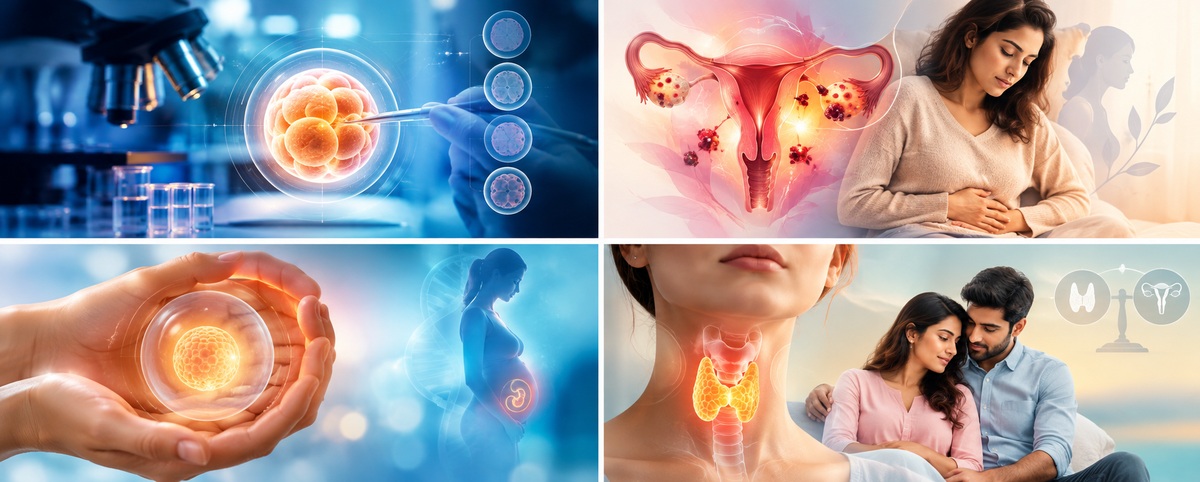
Endometriosis can affect a woman's ability to become pregnant, but having the condition does not mean pregnancy is impossible. Some women conceive naturally, while others may need medical support. Understanding how endometriosis affects reproductive health can help women make informed decisions about pregnancy and treatment.
What Is Endometriosis?
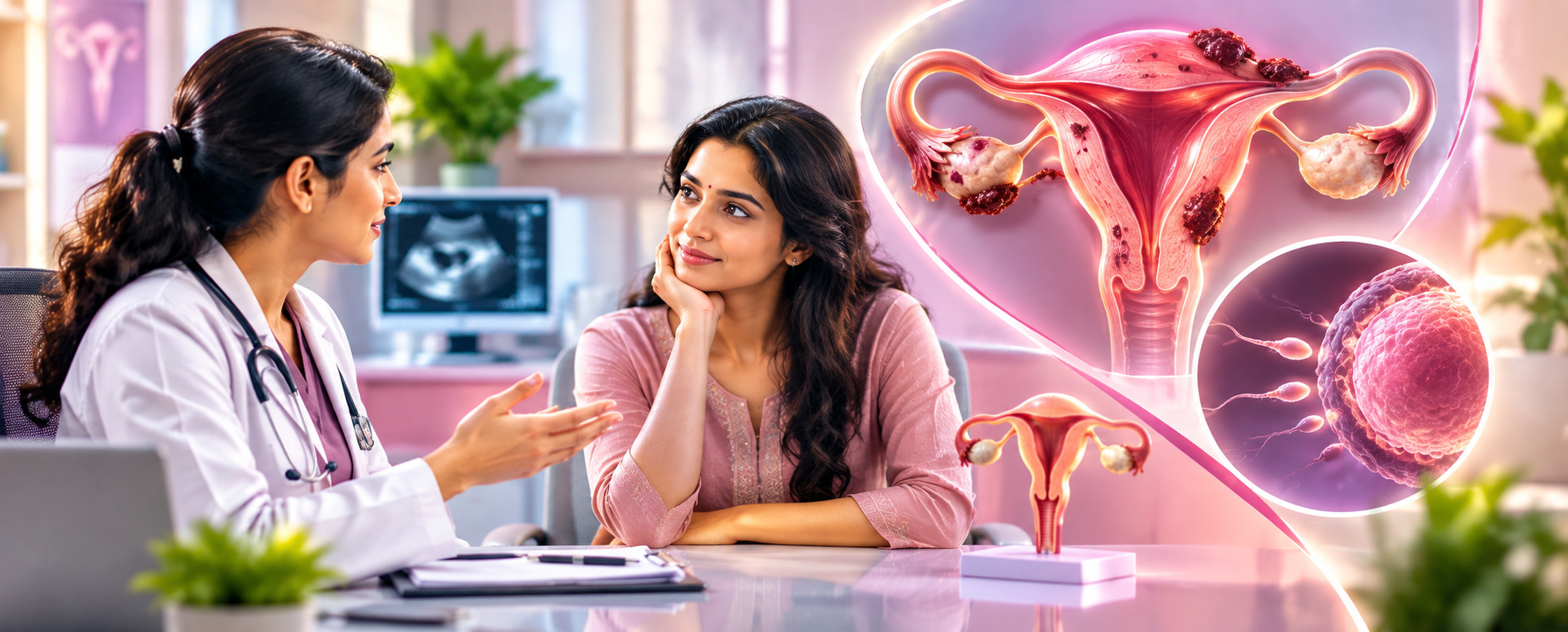
Endometriosis is a condition in which tissue similar to the lining of the uterus grows outside it. This tissue may develop around the ovaries, fallopian tubes and other areas of the pelvis. It can cause inflammation, pain and scar tissue.
The symptoms and severity vary from one woman to another. Some experience significant menstrual pain, while others may have few noticeable symptoms.
How Can Endometriosis Affect Fertility?
Endometriosis can affect fertility in several ways:
-
Scar tissue and adhesions: These may affect the fallopian tubes or ovaries and interfere with the movement of the egg.
-
Ovarian endometriomas: These cysts can affect the ovaries and may be associated with reduced ovarian reserve.
-
Inflammation: Changes in the pelvic environment may interfere with certain stages of reproduction.
The severity of menstrual pain does not always reflect the extent to which fertility is affected. A fertility assessment can help identify individual concerns.
What Symptoms Should Women Look Out For?
Common symptoms of endometriosis include:
-
Severe menstrual cramps that interfere with daily activities
-
Pain during or after sexual intercourse
-
Persistent pelvic pain
-
Heavy or irregular menstrual bleeding
-
Pain during bowel movements or urination, particularly around menstruation
Some women have no obvious symptoms and discover the condition during an evaluation for fertility problems. Persistent or severe symptoms should be discussed with a gynaecologist.
What Fertility Treatments Are Available?
Treatment depends on the woman's symptoms, age, the extent of endometriosis and her plans for pregnancy.
Options may include:
-
Pain management: Medication may help relieve discomfort.
-
Hormonal treatment: This can help manage endometriosis symptoms, but it generally prevents pregnancy while being used.
-
Laparoscopic surgery: In selected cases, surgery may be considered to treat endometriosis or address anatomical problems. Surgery involving the ovaries can also affect ovarian reserve, so the benefits and risks need careful discussion.
-
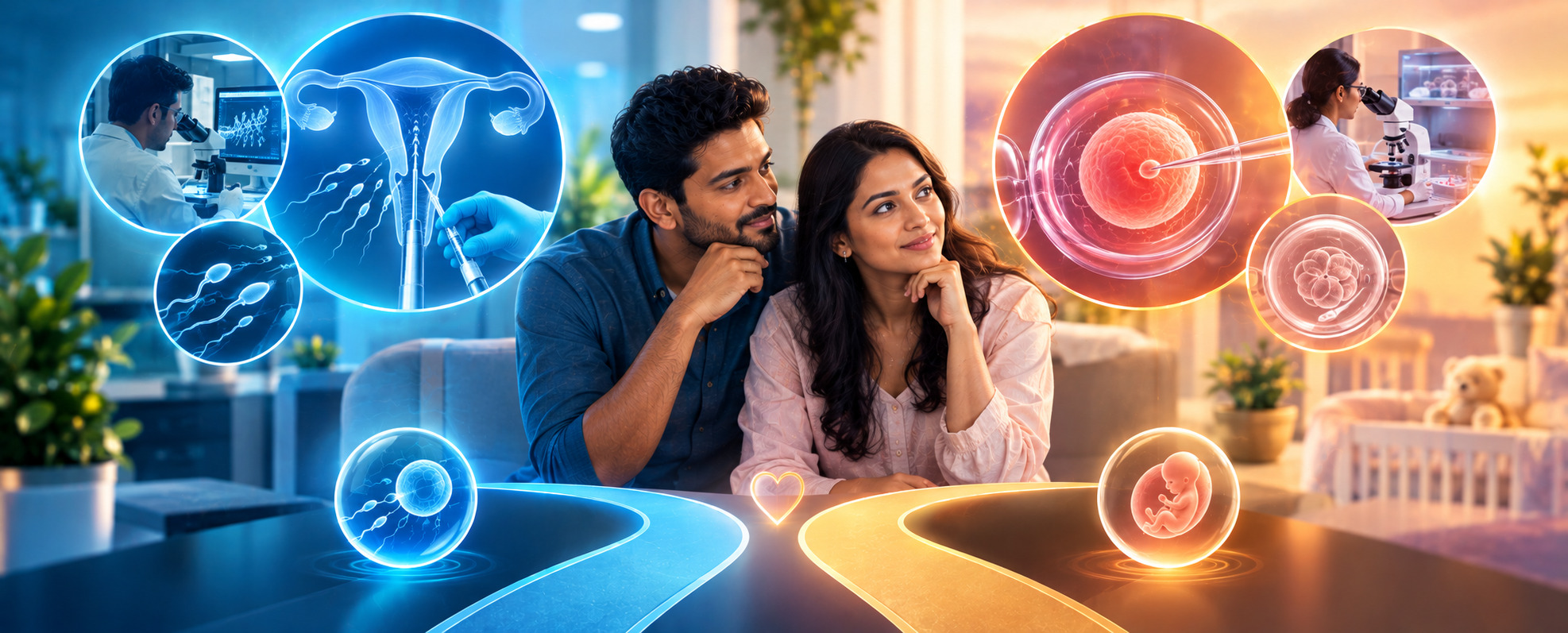
Fertility treatment: Depending on the assessment, options such as intrauterine insemination (IUI) or in vitro fertilisation (IVF) may be considered.
Not every woman needs surgery or IVF. A specialist can explain which approach is appropriate for her circumstances.
Why Is Early Fertility Evaluation Important?
Women with diagnosed or suspected endometriosis who are planning a pregnancy may benefit from discussing their fertility early. An assessment can help review ovarian reserve, fallopian tube function, medical history and other relevant factors.
The right time to seek help depends on age, symptoms and how long a woman has been trying to conceive. Severe menstrual pain or known endometriosis may justify an earlier consultation rather than waiting.
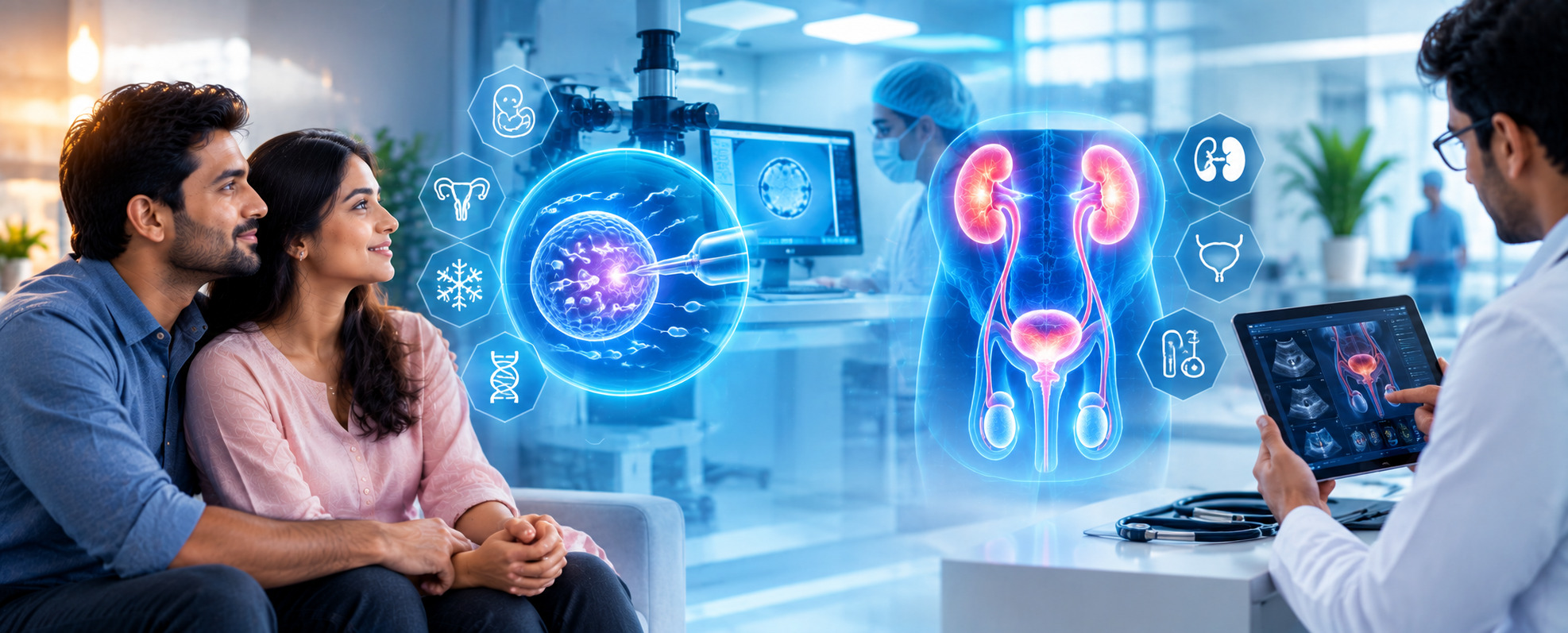
Fertility Care at Vignesh Hospital & Guna Fertility Centre
Vignesh Hospital & Guna Fertility Centre in Lalgudi, Trichy, provides care in fertility, IVF, obstetrics and gynaecology, urology and men's health, building on more than 50 years of community healthcare.